In the liquid food and beverage packaging industry, aseptic filling and non-aseptic filling are two common packaging methods. Both are widely used for products such as milk, fruit juice, soy milk, and other beverages. However, they differ significantly in sterilization processes, packaging requirements, production environments, and product shelf life.
Understanding the difference between aseptic and non-aseptic filling can help beverage manufacturers choose the right liquid filling machine and packaging solution for their production needs.
1. What Is Aseptic Filling?
Aseptic filling is a packaging process in which commercially sterilized products are filled into pre-sterilized packaging materials under controlled aseptic conditions.
The main purpose of aseptic filling is to prevent microorganisms from entering the product during packaging.
An Aseptic Filling Machine typically integrates several important processes:
– Product sterilization or connection to an appropriate sterilization system
– Packaging material sterilization
– Aseptic filling
– Hermetic sealing
– Sterile environment control
Aseptic filling technology is widely used for UHT milk, fruit juice, plant-based beverages, and other suitable liquid food products.
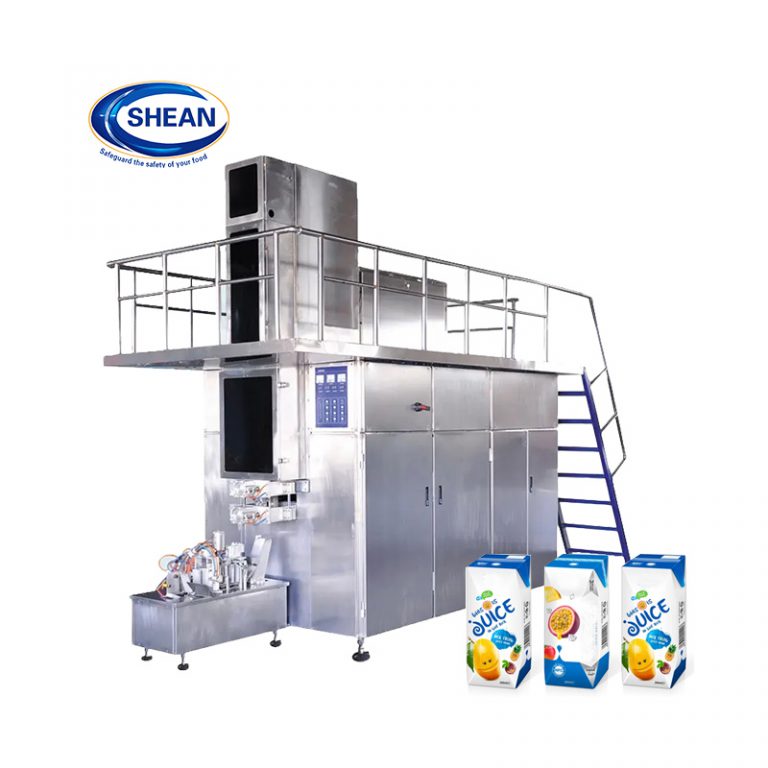
An Aseptic Brick Carton Filling Machine is specially designed to package liquid products in brick-shaped cartons. It helps manufacturers produce convenient carton packages with a longer shelf life when the product, packaging, and process are properly validated.
2. What Is Non-Aseptic Filling?
Non-aseptic filling refers to filling products into containers without maintaining the complete sterile product and packaging conditions required for aseptic processing.
Depending on the product and process, non-aseptic filling may be performed under hygienic or sanitary conditions. Some products receive pasteurization or other heat treatment before filling, while others require refrigeration and additional preservation measures.
Non-aseptic filling machines are commonly used for fresh milk, refrigerated juice, dairy drinks, and other products with specific storage requirements.
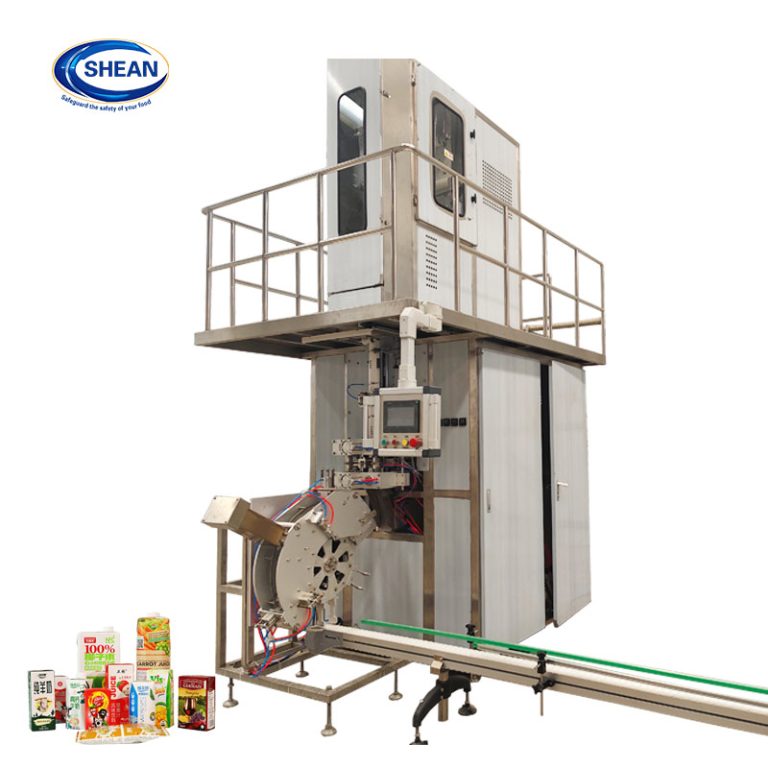
Compared with aseptic filling equipment, non-aseptic filling machines generally have simpler filling environments and lower equipment complexity. However, appropriate hygiene controls, cleaning procedures, and product preservation methods remain essential.
3. Key Differences Between Aseptic and Non-Aseptic Filling
Although both methods are used for liquid food packaging, there are several important differences.
Sterilization Process
Aseptic filling requires commercially sterilized products and separately sterilized packaging materials, followed by filling under controlled aseptic conditions.
Non-aseptic filling does not require the complete aseptic processing system, although product heat treatment and hygienic handling may still be necessary.
Packaging Environment
An aseptic filling machine maintains controlled sterile conditions throughout critical packaging operations.
A non-aseptic filling machine generally operates in a hygienic production environment without the same complete aseptic requirements.
Product Shelf Life
Aseptically packaged products can often achieve a longer shelf life without refrigeration before opening, depending on product formulation, processing conditions, packaging integrity, and storage requirements.
Non-aseptically filled products often require refrigeration or other preservation measures and may have a shorter shelf life.
Equipment Investment
Aseptic filling machines generally require more sophisticated sterilization systems, environmental controls, and monitoring equipment. Therefore, their initial investment and maintenance requirements are usually higher.
Non-aseptic filling equipment is often simpler and may be more economical for manufacturers producing refrigerated beverages or products with shorter distribution cycles.
4. Comparison of Aseptic and Non-Aseptic Filling
| Comparison | Aseptic Filling | Non-Aseptic Filling |
|—|—|—|
| Product treatment | Commercial sterilization | Depends on product and process |
| Packaging sterilization | Required | Not necessarily required |
| Filling environment | Controlled aseptic conditions | Hygienic conditions |
| Shelf life | Generally longer | Often shorter |
| Refrigeration | May not be required before opening | Often required |
| Equipment complexity | Higher | Generally lower |
| Initial investment | Usually higher | Usually lower |
| Typical applications | UHT milk, juice, plant-based drinks | Fresh milk, refrigerated juice, dairy drinks |
5. Which Filling Method Is Better for Milk and Juice?
The right filling method depends on your product characteristics, target market, distribution conditions, and expected shelf life.
Aseptic filling is suitable for:
– UHT milk
– Long-life milk
– Shelf-stable fruit juice
– Soy milk and plant-based beverages
– Liquid products requiring extended shelf life without refrigeration before opening
Non-aseptic filling is suitable for:
– Fresh pasteurized milk
– Refrigerated fruit juice
– Fresh dairy beverages
– Products distributed through refrigerated supply chains
Manufacturers should evaluate product formulation, processing technology, packaging material, and food safety requirements before choosing a filling solution.
6. How to Choose the Right Filling Machine?
When purchasing liquid packaging equipment, consider the following factors:
1. Product Type: Determine whether you are packaging milk, juice, soy milk, or other liquid beverages.
2. Production Capacity: Select a filling machine according to your required cartons or bottles per hour.
3. Packaging Material: Confirm whether you need brick cartons, gable-top cartons, bottles, or other containers.
4. Shelf Life Requirements: Choose an appropriate aseptic or non-aseptic processing solution.
5. Equipment Configuration: Evaluate sterilization systems, filling accuracy, sealing performance, and automation level.
6. Technical Support:Consider installation, operator training, spare parts, and after-sales service.
Choosing the right liquid filling machine can help improve production efficiency, maintain packaging quality, and support long-term business development.
Conclusion
The main difference between aseptic and non-aseptic filling lies in product sterilization, packaging material sterilization, filling environment, and shelf life.
Aseptic filling is an ideal solution for many shelf-stable beverages, including UHT milk and fruit juice, while non-aseptic filling is commonly used for refrigerated dairy products and fresh beverages.
If you are planning to invest in a Brick Carton Filling Machine or an Aseptic Carton Filling Machine, understanding these differences will help you select the right packaging equipment for your production requirements.
Contact us to learn more about our liquid filling and packaging machines for milk, juice, and other beverages.
 Spanish
 English
 Russian
 Arabic
 French
 Korean
 Vietnamese
 Thai